Ethical issues in business management are increasingly complex, navigating the tension between profit maximization and responsible conduct. This exploration delves into the core principles of business ethics, examining their application across diverse industries and the evolving landscape of corporate responsibility over the past half-century. We’ll investigate the intricate relationships between businesses and their stakeholders, exploring the impact of ethical and unethical practices on trust, profitability, and long-term sustainability.
From analyzing various corporate social responsibility (CSR) initiatives and their effectiveness to dissecting ethical decision-making models and frameworks, we aim to provide a comprehensive understanding of how ethical considerations permeate all aspects of business operations. The role of leadership in fostering ethical cultures, the implications of business development strategies, and the ethical challenges inherent in various business models will also be critically examined.
Defining Ethical Issues in Business Management
Business ethics encompass the principles and standards that guide the conduct of individuals and organizations in the business world. These principles aim to ensure fair practices, responsible decision-making, and a commitment to stakeholders beyond just shareholders. The application of these principles is crucial for building trust, fostering long-term sustainability, and maintaining a positive reputation.Ethical considerations in business management are multifaceted and vary depending on the industry, organizational culture, and the specific context of the decision.
Understanding these ethical dimensions is paramount for effective and responsible leadership.
Core Principles of Business Ethics and Their Application
The core principles of business ethics typically include integrity, honesty, fairness, responsibility, and respect. Integrity involves acting in accordance with one’s values and principles, even when faced with difficult choices. Honesty necessitates truthful communication and transparency in all business dealings. Fairness demands equitable treatment of all stakeholders, avoiding discrimination or bias. Responsibility involves acknowledging the impact of business decisions on various stakeholders and the environment, while respect entails valuing the dignity and rights of all individuals involved.
These principles are applied across various management contexts, from strategic planning and resource allocation to marketing, operations, and human resource management. For example, in marketing, honesty translates to accurate advertising and avoiding misleading claims; in human resources, fairness requires equitable compensation and promotion practices.
Examples of Ethical Dilemmas in Business Management
Businesses frequently encounter ethical dilemmas. In the manufacturing industry, a company might face a choice between using cheaper, less environmentally friendly materials to reduce production costs, or opting for more sustainable alternatives at a higher expense. This decision impacts not only the environment but also the company’s reputation and long-term viability. In the financial sector, insider trading presents a clear ethical conflict where employees possess non-public information giving them an unfair advantage in the market.
Further, in the technology sector, the collection and use of customer data raise significant ethical concerns regarding privacy and data security. The appropriate handling of sensitive information and compliance with data protection regulations are paramount.
Evolution of Ethical Considerations in Business Management (Past 50 Years)
Over the past 50 years, ethical considerations in business management have undergone a significant evolution. The 1970s saw increased focus on social responsibility, with companies beginning to consider their impact on society and the environment. The 1980s and 1990s witnessed a rise in corporate scandals, leading to increased regulatory scrutiny and a greater emphasis on corporate governance and compliance.
The early 2000s brought about a renewed focus on ethical leadership and the importance of creating a culture of ethics within organizations. The Enron and WorldCom scandals, for instance, dramatically highlighted the consequences of unethical practices and the need for stronger corporate accountability. More recently, the emphasis has shifted towards sustainability, corporate social responsibility (CSR), and stakeholder capitalism, reflecting a growing awareness of the interconnectedness of business and society.
This includes considerations of environmental sustainability, social justice, and ethical sourcing. The rise of conscious consumerism and the increasing demand for transparency and accountability from businesses have further accelerated this evolution. Companies are now increasingly expected to demonstrate a commitment to ethical practices not only to comply with regulations but also to attract and retain customers, employees, and investors.
Stakeholder Relationships and Ethical Responsibilities
Ethical considerations are paramount in successful business management. A company’s ethical standing is not solely determined by its internal practices but significantly by its relationships with various stakeholders and the fulfillment of its responsibilities towards them. Ignoring ethical obligations can lead to severe reputational damage and ultimately, business failure. This section explores the ethical obligations businesses owe to their employees, customers, suppliers, and the wider community, and the consequences of neglecting these responsibilities.Businesses have a fundamental ethical responsibility to conduct themselves honestly and transparently in all interactions with stakeholders.
This involves upholding legal requirements but also exceeding minimum standards to build trust and foster long-term mutually beneficial relationships. Unethical business practices, however, erode trust, leading to decreased loyalty, boycotts, and ultimately, financial losses. The impact of unethical behavior extends beyond immediate stakeholders, influencing the broader societal perception of the business and its industry.
Ethical Obligations to Employees
Ethical treatment of employees is crucial for fostering a positive and productive work environment. This includes providing fair wages and benefits, ensuring safe working conditions, promoting equal opportunities, and respecting employee rights. Examples of unethical practices include wage theft, unsafe working conditions, discrimination, and harassment. These actions not only damage employee morale and productivity but also result in legal repercussions, reputational harm, and decreased employee retention.
Companies prioritizing employee well-being often experience higher employee satisfaction, increased productivity, and reduced turnover.
Ethical Obligations to Customers
Businesses have an ethical responsibility to provide safe, high-quality products and services that meet customer expectations. Transparency in pricing and product information is crucial, alongside effective customer service and fair dispute resolution mechanisms. Unethical practices like deceptive advertising, selling defective products, and engaging in price gouging can lead to customer dissatisfaction, legal action, and damage to brand reputation.
Conversely, ethical customer-centric practices build loyalty and enhance brand image. For example, companies known for their exceptional customer service often command premium prices and enjoy high customer retention rates.
Ethical Obligations to Suppliers
Maintaining ethical relationships with suppliers is vital for the sustainability of the supply chain. This involves fair pricing, timely payments, and respecting supplier rights. Exploitative practices, such as demanding excessively low prices or delaying payments, can harm supplier businesses and compromise the quality of goods and services received. Ethical sourcing and fair trade practices ensure a stable and reliable supply chain, contributing to long-term business success.
Companies prioritizing ethical supplier relationships often enjoy better quality inputs, improved collaboration, and stronger supply chain resilience.
Ethical Obligations to the Wider Community
Businesses have a responsibility to act as responsible corporate citizens. This includes minimizing environmental impact, supporting local communities, and contributing to social causes. Environmental sustainability initiatives, such as reducing carbon emissions and promoting responsible waste management, are becoming increasingly important. Community engagement initiatives, such as supporting local charities and providing educational opportunities, enhance the company’s social license to operate.
Ignoring these responsibilities can lead to negative publicity, boycotts, and stricter regulatory oversight. Companies demonstrating social responsibility often attract and retain talent, enhance their brand image, and improve their overall long-term profitability.
Framework for Managing Stakeholder Interests
A robust framework for ethical decision-making should prioritize stakeholder interests. This framework can incorporate several key steps: Identify all relevant stakeholders, assess their interests and concerns, evaluate potential impacts of decisions on each stakeholder group, develop strategies that balance stakeholder interests, implement decisions transparently, and monitor and evaluate outcomes. This systematic approach ensures ethical considerations are integrated throughout the decision-making process, minimizing potential negative impacts and fostering strong, sustainable relationships with all stakeholders.
A company employing such a framework demonstrates its commitment to ethical conduct, building trust and contributing to long-term success.
Corporate Social Responsibility (CSR) and Ethical Business Practices
Corporate Social Responsibility (CSR) has evolved from a purely philanthropic endeavor to a strategic imperative for businesses seeking long-term sustainability and competitive advantage. It encompasses a company’s commitment to operating ethically and contributing positively to society and the environment. This section will explore various CSR initiatives, their effectiveness, different implementation approaches, and illustrate the positive impact of a successful CSR program through a case study.
Various CSR Initiatives and Their Effectiveness
Numerous initiatives fall under the CSR umbrella. These range from environmental sustainability efforts, such as reducing carbon emissions and promoting renewable energy, to social initiatives like supporting local communities through charitable donations or employee volunteering programs. The effectiveness of these initiatives varies greatly depending on factors such as the company’s commitment, transparency, and the measurable impact of the chosen activities.
For example, a company’s commitment to reducing its carbon footprint might involve investing in energy-efficient technologies, implementing waste reduction strategies, and sourcing sustainable materials. The effectiveness can be measured by tracking reductions in greenhouse gas emissions and comparing them to industry benchmarks. Similarly, a community investment program’s success can be assessed by evaluating its impact on local employment rates, education levels, or access to healthcare.
Well-designed and implemented CSR initiatives often demonstrate a positive correlation between ethical business conduct and improved brand reputation, enhanced employee morale, and increased customer loyalty.
Different Approaches to CSR Implementation
Companies adopt diverse approaches to CSR implementation, broadly categorized as philanthropic, strategic, and integrated models. The philanthropic approach focuses on charitable giving and community involvement, often viewed as separate from core business operations. This model, while valuable, may lack strategic alignment with the company’s overall goals. The strategic approach integrates CSR into specific business functions, aligning social and environmental goals with business objectives to create competitive advantage.
For example, a company might invest in sustainable sourcing to reduce costs and improve its brand image simultaneously. The integrated approach goes further, embedding CSR principles throughout the entire organization’s culture, strategy, and operations. This holistic approach views CSR not as a separate function but as integral to the company’s identity and value creation. The choice of model depends on the company’s size, industry, resources, and overall business strategy.
Case Study: Patagonia’s Commitment to Environmental Sustainability
Patagonia, an outdoor clothing company, provides a compelling example of a successful CSR program. Their commitment to environmental sustainability is deeply integrated into their business model, showcasing the positive impact of a strategic and integrated approach.
| Initiative | Implementation | Impact | Lessons Learned |
|---|---|---|---|
| Environmental Sustainability | Using recycled materials, reducing water consumption in manufacturing, supporting environmental conservation organizations, and promoting sustainable practices among customers. | Improved brand reputation, increased customer loyalty, enhanced employee morale, and reduced environmental impact. Positive media coverage and increased sales. | Authenticity and transparency are crucial. Long-term commitment is necessary for meaningful impact. Collaboration with stakeholders is essential for achieving broader goals. |
| Fair Labor Practices | Ensuring fair wages and safe working conditions throughout their supply chain through rigorous audits and ethical sourcing practices. | Improved worker well-being, reduced risks associated with unethical labor practices, and strengthened relationships with suppliers. | Continuous monitoring and improvement are vital. Collaboration with suppliers is essential for achieving ethical standards throughout the supply chain. Transparency builds trust. |
| Product Lifecycle Management | Encouraging product repair and reuse through repair programs and promoting the longevity of their products. | Reduced waste, increased customer satisfaction, and positive brand image. This contributes to a circular economy model. | Innovation in product design and durability are key. Consumer education and engagement are crucial for promoting product longevity and repair. |
Ethical Decision-Making Models and Frameworks
Navigating the complex ethical landscape of business requires a structured approach. Ethical decision-making models provide frameworks to analyze situations, consider various perspectives, and arrive at justifiable choices. These models offer a systematic way to approach ethical dilemmas, minimizing the risk of biased or impulsive decisions.
The Utilitarian Approach
The utilitarian approach prioritizes maximizing overall happiness and minimizing harm. Decisions are made based on their consequences, aiming to produce the greatest good for the greatest number of people. This model considers the potential impact of a decision on all stakeholders involved, weighing the benefits and harms to each. A key strength lies in its focus on practical outcomes, making it relatively easy to apply in scenarios with clear measurable impacts.
However, accurately predicting consequences can be challenging, and the model can sometimes justify actions that harm a minority for the benefit of a larger group, raising concerns about fairness and individual rights. For instance, a company might decide to close a factory in one town, leading to job losses for a small number of people, if it results in greater overall profitability and benefits for more employees in other locations or through lower prices for consumers.
The Deontological Approach
In contrast to utilitarianism, the deontological approach emphasizes moral duties and principles, irrespective of the consequences. This framework focuses on adherence to rules, laws, and ethical codes, emphasizing the inherent rightness or wrongness of actions rather than their outcomes. A significant strength is its emphasis on fairness and consistency, ensuring that ethical standards are upheld regardless of situational pressures.
However, its rigid adherence to rules can lead to inflexible decisions that might not be suitable in complex or nuanced situations. For example, strictly following a policy of never accepting gifts from clients might prevent a mutually beneficial business relationship, even if the gift is small and inconsequential.
The Virtue Ethics Approach
Virtue ethics focuses on the character and moral integrity of the decision-maker. This model emphasizes developing virtuous traits such as honesty, integrity, fairness, and compassion, which guide ethical behavior. The strength of this approach lies in its holistic consideration of the individual’s character and its long-term impact on ethical conduct. It promotes a culture of ethical behavior within organizations.
However, it can be subjective and lacks a clear set of rules to guide decision-making in specific situations. Determining which virtues are most relevant and how to balance competing virtues can be challenging. For example, a manager might need to balance the virtue of loyalty to employees with the virtue of responsibility to shareholders when deciding on layoffs.
Applying a Framework: A Case Study
Let’s consider the case of a pharmaceutical company facing a dilemma. They have developed a life-saving drug, but the cost of production is high, making it unaffordable for many who need it. Applying the utilitarian approach, the company might weigh the benefits of making the drug available to a larger population (even at a lower profit margin) against the financial consequences for the company.
A deontological approach might emphasize the company’s moral obligation to provide access to life-saving medication, regardless of profit, potentially advocating for government subsidies or alternative pricing models. A virtue ethics perspective would focus on the company’s commitment to social responsibility and its desire to act with compassion and fairness, potentially leading to a combination of strategies to make the drug accessible while ensuring the company’s long-term sustainability.
The choice of framework influences the decision-making process and the ultimate outcome.
The Role of Business Leadership in Promoting Ethical Conduct
Ethical leadership is not merely a desirable trait; it’s the cornerstone of a thriving and responsible organization. Leaders play a pivotal role in shaping the ethical climate within a company, influencing employee behavior and ultimately impacting the organization’s reputation and long-term success. Their actions and decisions directly affect the ethical standards upheld throughout the company.Ethical leaders cultivate a culture of integrity, transparency, and accountability, ensuring that ethical considerations are integrated into every aspect of business operations.
This involves actively promoting ethical decision-making, fostering open communication, and holding individuals accountable for their actions. The absence of strong ethical leadership often leads to a decline in ethical standards, increased risk of misconduct, and ultimately, damage to the company’s reputation and financial performance.
Qualities and Responsibilities of Ethical Leaders
Ethical leaders demonstrate a strong commitment to ethical principles, consistently acting with integrity and fairness. They embody the values they espouse, leading by example and inspiring others to do the same. This includes transparency in their actions and decision-making processes, fostering trust and open communication among employees. Their responsibilities extend to establishing clear ethical guidelines, providing ethical training, and creating mechanisms for reporting and addressing ethical violations.
Furthermore, they must actively promote a culture of ethical awareness and accountability, ensuring that ethical considerations are integrated into all aspects of business operations. A key responsibility is to create a safe environment where employees feel comfortable raising ethical concerns without fear of retribution.
Strategies for Creating a Culture of Ethical Awareness and Accountability
Establishing a strong ethical culture requires a multi-faceted approach. This includes developing and communicating a clear code of ethics that Artikels the organization’s values and expectations regarding ethical conduct. Regular ethics training programs should be implemented to reinforce ethical principles and provide employees with the tools and resources they need to navigate ethical dilemmas. Furthermore, establishing clear reporting mechanisms, such as whistleblowing hotlines, encourages ethical behavior and ensures that violations are addressed promptly and effectively.
Regular ethical audits and assessments can help organizations identify potential vulnerabilities and areas for improvement. Open communication channels and forums allow employees to voice their concerns and participate in discussions about ethical issues. Leadership must actively demonstrate their commitment to ethical conduct through their words and actions. Finally, consistently rewarding ethical behavior and holding individuals accountable for unethical actions reinforce the importance of ethical conduct.
Importance of Leadership Training and Development Programs
Leadership training and development programs focused on ethics are crucial for fostering ethical business practices. These programs should go beyond simply outlining a code of conduct; they should equip leaders with the skills and knowledge needed to make ethical decisions in complex situations. This includes training in ethical decision-making frameworks, conflict resolution, and communication skills. Role-playing scenarios and case studies can help leaders practice applying ethical principles in real-world situations.
Furthermore, these programs can foster a shared understanding of the organization’s ethical values and create a common language for discussing ethical issues. Regular refresher courses and ongoing professional development opportunities ensure that leaders remain up-to-date on best practices and emerging ethical challenges. The investment in such programs demonstrates a clear commitment to ethical conduct, setting a positive example for employees and building a strong ethical foundation for the organization.
Business Development, Ethics, and Related Concepts
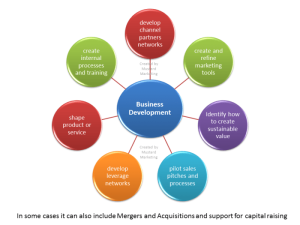
Sustainable business development necessitates a robust ethical foundation. Ignoring ethical considerations can lead to short-term gains but ultimately undermine long-term success and damage a company’s reputation. Integrating ethical practices into business development strategies is not merely a matter of compliance but a crucial element of building a resilient and responsible organization.
The Interplay Between Business Development Strategies and Ethical Considerations
Ethical considerations must be interwoven into every stage of business development, from initial planning and market analysis to implementation and evaluation. For example, a company aiming for rapid expansion might prioritize aggressive marketing tactics, potentially overlooking the ethical implications of misleading advertising or exploiting vulnerable consumer groups. Conversely, a business focused on sustainable practices might choose slower growth to prioritize environmental protection and fair labor standards.
The choice reflects a prioritization of different values, highlighting the inherent connection between business strategy and ethics.
Examples of Ethical Business Practices Contributing to Sustainable Business Development
Ethical practices often translate directly into sustainable growth. Fair trade practices, for instance, ensure producers receive fair compensation, fostering long-term relationships and loyalty. Investing in employee well-being leads to increased productivity and reduced turnover, reducing costs and improving efficiency. Similarly, companies prioritizing environmental sustainability often attract environmentally conscious consumers, building brand loyalty and a positive public image.
Patagonia’s commitment to sustainable materials and environmental activism is a prime example of ethical business practices driving both customer loyalty and brand recognition.
Incorporating Ethical Frameworks into Business Coaching for Improved Decision-Making and Leadership
Business coaching can significantly enhance ethical decision-making and leadership by incorporating frameworks like the stakeholder theory or utilitarianism. Coaches can guide leaders in identifying key stakeholders, evaluating the ethical implications of different decisions on each stakeholder group, and ultimately choosing actions that maximize overall well-being. This approach fosters a culture of ethical awareness and responsibility within the organization.
Role-playing scenarios and case studies can further help leaders develop their ethical judgment and decision-making skills.
Ethical Implications of Securing Business Loans and Adhering to Responsible Borrowing Practices
Securing business loans involves ethical considerations beyond mere financial responsibility. Transparency and honesty in financial reporting are crucial to maintain trust with lenders. Misrepresenting financial information or engaging in deceptive practices to secure loans is unethical and can lead to severe legal and reputational consequences. Responsible borrowing practices, which include thorough financial planning and a realistic assessment of repayment capacity, demonstrate ethical conduct and build trust with lenders, securing better terms and fostering long-term relationships.
Different Business Models Reflecting Varying Ethical Priorities
The choice of business model itself can reflect varying ethical priorities. A social enterprise, for example, explicitly prioritizes social and environmental impact alongside profit generation. B Corporations, certified for meeting high standards of social and environmental performance, accountability, and transparency, demonstrate a commitment to ethical business practices. In contrast, a purely profit-maximizing business model may prioritize shareholder returns above other ethical considerations.
This underscores how different business models inherently embed different ethical priorities.
Ethical Considerations Influencing the Development and Implementation of Business Strategies
Ethical considerations are integral to the development and implementation of successful business strategies. A company’s reputation and brand image are significantly influenced by its ethical practices. Consumers are increasingly conscious of ethical issues and are more likely to support businesses with strong ethical reputations. Ignoring ethical considerations can lead to boycotts, negative media coverage, and decreased investor confidence, ultimately hindering business growth.
Therefore, integrating ethical considerations into strategic planning is essential for long-term success.
Ethical Challenges Associated with Business Travel and Mitigation Strategies
Business travel presents several ethical challenges, including the environmental impact of air travel and the potential for exploitation of workers in the hospitality industry. To mitigate these challenges, companies can prioritize video conferencing as an alternative to air travel whenever possible, choose eco-friendly hotels and transportation options, and ensure fair wages and working conditions for employees in the tourism sector.
Companies can also promote sustainable tourism practices among their employees by providing training and resources.
Ultimately, responsible business practices are not merely a matter of compliance but a strategic imperative. By prioritizing ethical considerations in all facets of management, businesses can cultivate strong stakeholder relationships, enhance their reputation, achieve sustainable growth, and contribute positively to society. This exploration underscores the crucial role of ethical leadership in shaping organizational culture and driving long-term success, demonstrating that ethical conduct is not a constraint on profitability but a vital ingredient for it.
Question & Answer Hub
What are some common ethical dilemmas in marketing?
Common dilemmas include misleading advertising, data privacy violations, and exploiting vulnerable consumer groups.
How can whistleblowing be protected in a company?
Companies should establish clear and accessible whistleblowing policies, ensuring anonymity and protection from retaliation for reporting unethical behavior.
What is the role of a company’s board of directors in ensuring ethical conduct?
The board oversees ethical compliance, appoints ethical officers, and sets the tone at the top regarding ethical standards.
How can businesses measure the success of their CSR initiatives?
Success can be measured through various metrics, including employee satisfaction, customer loyalty, environmental impact, and community engagement.