Business development training programs are crucial for equipping individuals and organizations with the skills and knowledge needed to thrive in today’s competitive landscape. These programs offer a structured approach to learning, incorporating diverse methodologies like case studies, simulations, and role-playing to foster practical application of theoretical concepts. Whether targeting entrepreneurs, managers, or sales teams, these programs cater to specific needs, enhancing professional capabilities and driving business growth.
From curriculum design and content creation to program delivery and effectiveness assessment, a comprehensive approach ensures impactful learning outcomes. Understanding the interplay between business development and related concepts such as business ethics, business models, and securing business loans is pivotal. Ultimately, successful business development hinges on a strategic understanding of the market, a well-defined business plan, and the ability to adapt to dynamic market conditions.
Defining Business Development Training Programs
Business development training programs equip individuals and teams with the skills and knowledge necessary to identify, cultivate, and secure new business opportunities. These programs are crucial for organizational growth and sustained success in competitive markets. Effective programs go beyond theoretical knowledge, focusing on practical application and measurable results.Effective business development training programs comprise several core components. These components work synergistically to provide a comprehensive learning experience.
Core Components of Effective Business Development Training Programs
A successful business development training program incorporates a blend of theoretical knowledge, practical application, and ongoing mentorship. The theoretical component lays the groundwork by providing a strong understanding of business development principles, strategies, and best practices. This is followed by practical application through case studies, simulations, and real-world projects. Finally, ongoing mentorship and feedback provide continuous support and refinement of learned skills.
The program’s effectiveness is directly tied to its ability to bridge the gap between theory and practice. Key components include market research methodologies, lead generation techniques, sales process optimization, negotiation strategies, relationship building, and proposal development.
Learning Methodologies Employed in Business Development Training
Various learning methodologies enhance engagement and knowledge retention.
- Case Studies: Participants analyze real-world business scenarios, identifying challenges, proposing solutions, and evaluating outcomes. For example, a case study might involve analyzing a company’s unsuccessful product launch, identifying the reasons for failure, and proposing alternative strategies for future launches.
- Simulations: Interactive simulations immerse participants in realistic business development scenarios, allowing them to practice their skills in a safe, controlled environment. A simulation might involve negotiating a contract with a virtual client, complete with varying pressure points and unexpected challenges.
- Role-Playing: Participants actively engage in simulated interactions, such as sales presentations or client negotiations, receiving immediate feedback on their performance. For instance, one participant might role-play a prospective client while another practices their sales pitch, with a trainer providing feedback afterwards.
- Workshops and Group Activities: Collaborative exercises encourage peer learning and the sharing of diverse perspectives. A workshop might involve brainstorming new market entry strategies or developing a comprehensive business plan for a hypothetical product.
Types of Business Development Training Programs Based on Target Audience
The structure and content of business development training programs are tailored to meet the specific needs of the target audience.
| Target Audience | Program Focus | Example Content |
|---|---|---|
| Entrepreneurs | Founding and growing a business; securing funding; market analysis; business planning | Developing a lean startup canvas, pitching to investors, conducting market research, creating a comprehensive business plan. |
| Managers | Strategic business development; team leadership; resource allocation; market positioning | Developing market entry strategies, leading cross-functional teams, optimizing resource allocation, improving market share. |
| Sales Teams | Lead generation; sales techniques; closing deals; customer relationship management | Improving sales conversion rates, implementing CRM systems, mastering sales negotiation, building rapport with clients. |
Curriculum Design and Content Creation

Crafting a successful business development training program hinges on a well-structured curriculum and engaging content. The curriculum should be meticulously designed to meet the specific needs of the target audience, ensuring that participants acquire practical skills and knowledge applicable to their roles. Effective content creation involves the strategic use of diverse learning methods to maximize knowledge retention and application.A well-designed curriculum translates learning objectives into actionable modules, each with clear goals and assessment methods.
This approach fosters a structured learning experience, leading to improved comprehension and skill development. Furthermore, the use of real-world examples and case studies significantly enhances the relevance and impact of the training.
Sample Curriculum: Business Development in the Renewable Energy Sector
This program focuses on developing business development skills within the renewable energy industry. The curriculum is structured into four modules, each building upon the previous one.
| Module | Learning Objectives | Content Artikel |
|---|---|---|
| Module 1: Understanding the Renewable Energy Market | Participants will be able to identify key market trends, analyze competitive landscapes, and understand regulatory frameworks within the renewable energy sector. | Market analysis techniques, competitive analysis, regulatory compliance, understanding different renewable energy technologies (solar, wind, hydro, etc.). Case study: Analysis of the current solar energy market in California. |
| Module 2: Developing a Business Development Strategy | Participants will be able to define target markets, develop value propositions, and create effective marketing strategies for renewable energy products and services. | Market segmentation, value proposition development, marketing mix (product, price, place, promotion), digital marketing for renewable energy. Case study: Successful marketing campaign for a wind energy project. |
| Module 3: Sales and Negotiation Skills | Participants will be able to effectively present renewable energy solutions, negotiate contracts, and build strong client relationships. | Sales techniques, negotiation strategies, contract law, relationship building, handling objections. Role-playing exercises simulating client negotiations. |
| Module 4: Project Management and Implementation | Participants will be able to manage renewable energy projects, monitor progress, and ensure successful project completion. | Project planning, risk management, resource allocation, monitoring and evaluation, project closure. Case study: Managing the construction of a solar farm. |
Essential Topics for a Comprehensive Business Development Training Program
A comprehensive business development training program should equip participants with a broad range of skills and knowledge. The following topics are crucial for success in any industry.
- Market research and analysis
- Competitive analysis and strategic planning
- Sales and negotiation techniques
- Marketing and branding strategies
- Lead generation and qualification
- Relationship building and client management
- Proposal writing and presentation skills
- Contract negotiation and management
- Project management and implementation
- Financial analysis and budgeting
Importance of Real-World Examples and Case Studies
Incorporating real-world examples and case studies is vital for making the training relevant and engaging. These examples provide practical context, allowing participants to apply theoretical concepts to realistic scenarios. Case studies can showcase both successes and failures, providing valuable lessons and insights. For instance, a case study on Tesla’s growth strategy would illustrate effective branding and market penetration in the electric vehicle industry.
Another example could analyze a failed startup in the tech industry, highlighting common pitfalls to avoid. This approach fosters deeper understanding and improves knowledge retention.
Business Development and Related Concepts
Business development, at its core, is about growing a business. However, its success is intricately linked to various factors, including ethical considerations, effective strategies, and a clear understanding of the business landscape. This section explores the relationship between business development and several key concepts, highlighting their interconnectedness and importance for achieving sustainable growth.
Business Development and Business Ethics
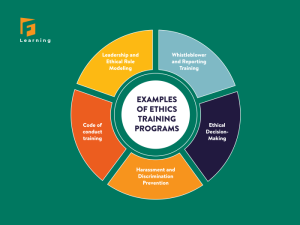
Maintaining high ethical standards is crucial for long-term business development success. Unethical practices, such as bribery, misleading advertising, or exploiting suppliers, may yield short-term gains but ultimately damage a company’s reputation and erode trust with stakeholders. Conversely, ethical conduct builds a strong reputation, attracts loyal customers and employees, and fosters positive relationships with partners and investors. For example, a company committed to sustainable practices might invest in environmentally friendly technologies, even if it’s initially more expensive.
This commitment, though costly in the short term, builds brand loyalty and attracts environmentally conscious consumers, contributing to long-term business development. Conversely, a company engaging in deceptive marketing practices might experience a short-term sales boost but face severe reputational damage and potential legal repercussions, ultimately hindering its long-term development.
Business Coaching versus Business Development Training Programs
Business coaching and business development training programs, while both aimed at improving business performance, differ significantly in their approach and outcomes. Business coaching typically involves a one-on-one relationship between a coach and a business owner or manager, focusing on personalized guidance, strategic planning, and overcoming specific challenges. The outcome is often a tailored strategy for individual growth. Business development training programs, on the other hand, provide structured learning experiences for groups, covering a broader range of topics and skills relevant to business development.
The outcome is a skillset enhancement for participants, applicable to various business contexts. For example, a business coach might work with an entrepreneur to develop a sales strategy, while a business development training program might teach a group of sales representatives advanced negotiation techniques.
The Role of Business Development in Securing Business Loans
Effective business development plays a vital role in securing business loans. Lenders assess the creditworthiness and potential for success of a business before approving a loan. A well-defined business plan, strong financial projections, and a proven track record of growth, all hallmarks of successful business development, significantly improve the chances of loan approval. A detailed business plan, showcasing market analysis, competitive advantages, and a clear roadmap for growth, demonstrates to lenders that the business has a solid foundation and a clear understanding of its market.
Similarly, strong financial projections show the lender the business’s potential for profitability and repayment ability. A history of consistent growth and profitability further strengthens the application.
The Impact of Business Models and Business Strategies on Business Development Success
Understanding business models and strategies is fundamental to successful business development. A clearly defined business model Artikels how a company creates, delivers, and captures value. A robust business strategy Artikels how the company will achieve its long-term goals within its chosen market. For example, a company with a subscription-based business model needs a different business development strategy than a company selling one-off products.
A deep understanding of both allows for the development of targeted strategies to attract customers, increase market share, and achieve profitability. Without this understanding, business development efforts may be misdirected, leading to wasted resources and missed opportunities.
The Importance of Effective Business Travel in Business Development Activities
Effective business travel can be a crucial component of successful business development. Building personal relationships with clients, partners, and investors is often more effective in person than through virtual communication. Networking events, industry conferences, and site visits provide invaluable opportunities to learn about industry trends, identify potential partnerships, and secure new business. For instance, attending a trade show allows direct interaction with potential clients, demonstrating products or services, and gathering immediate feedback.
Similarly, visiting a potential partner’s facility allows for a deeper understanding of their operations and strengthens the foundation for a successful collaboration. Careful planning and efficient execution of business trips maximize their impact on business development efforts.
Assessing Training Effectiveness
Measuring the success of a business development training program requires a multifaceted approach that goes beyond simple participant satisfaction. A robust evaluation strategy ensures the program delivers tangible results and identifies areas for improvement. This involves carefully selecting metrics, employing diverse data collection methods, and analyzing the long-term impact on participants’ performance.Effective assessment of training programs hinges on a well-defined evaluation plan.
This plan should encompass pre-training, during-training, and post-training evaluations, allowing for a comprehensive understanding of the program’s impact across various stages. It should also clearly articulate how the data collected will be used to improve future iterations of the training.
Methods for Evaluating Training Effectiveness
A comprehensive evaluation employs a mix of quantitative and qualitative data. Quantitative data provides objective measures of knowledge gained and skills developed, while qualitative data offers insights into participant experiences and perceptions. This dual approach provides a richer, more nuanced understanding of the training’s impact. For example, pre- and post-training assessments using standardized tests can measure knowledge acquisition, while participant feedback surveys provide insights into the program’s strengths and weaknesses.
Observational data from role-playing exercises or simulations can assess skill application in a controlled environment. Finally, tracking key performance indicators (KPIs) after the training provides a measure of the program’s impact on actual business performance.
Post-Training Assessments: Measuring Knowledge Retention and Skill Application
Post-training assessments are crucial for evaluating knowledge retention and skill application. These assessments should directly relate to the training objectives and employ a variety of methods to ensure a comprehensive evaluation. Examples include written examinations testing factual recall and conceptual understanding; practical exercises or simulations assessing the application of learned skills in realistic scenarios; and case studies requiring participants to analyze complex business problems and propose solutions using the acquired knowledge and skills.
For instance, a sales training program might include a post-training role-play where participants simulate a sales call, allowing assessors to observe their application of negotiation and closing techniques. The results of these assessments can be quantitatively analyzed (e.g., percentage of correct answers, scores on a rubric) and qualitatively analyzed (e.g., identifying areas of strength and weakness in skill application).
Gathering Participant Feedback to Improve Future Training Programs
Collecting feedback from participants is essential for continuous improvement. This can be done through various methods, including structured surveys, focus groups, and individual interviews. Surveys can collect quantitative data on participant satisfaction and perceptions of the training’s effectiveness. Focus groups provide qualitative data by allowing participants to discuss their experiences and offer suggestions for improvement. Individual interviews offer a more in-depth exploration of specific aspects of the training.
For example, a post-training survey might include questions about the relevance of the content, the effectiveness of the training methods, and suggestions for improvement. A focus group might explore participant challenges in applying newly acquired skills to their work environment. The feedback gathered should be systematically analyzed and used to inform revisions to the training materials, delivery methods, and overall program design.
Tracking the Long-Term Impact of Training on Business Performance
Measuring the long-term impact of training on business performance requires tracking relevant KPIs over an extended period. These KPIs should align with the training objectives and should be measurable and relevant to the business context. For example, a sales training program might track sales revenue, conversion rates, or customer satisfaction scores. A leadership training program might track employee engagement, team performance, or project completion rates.
The data collected should be compared to baseline data collected before the training to determine the impact of the training. Regular monitoring and analysis of these KPIs are crucial for assessing the sustained impact of the training and justifying its continued investment. For instance, comparing post-training sales figures with pre-training figures, controlling for external factors, can reveal the program’s contribution to increased revenue generation.
Program Delivery and Resources
Effective delivery and readily available resources are crucial for a successful business development training program. The chosen method of delivery significantly impacts participant engagement and overall learning outcomes, while the resources directly influence the program’s quality and feasibility. Careful consideration of both aspects is paramount.
Methods for Delivering Business Development Training Programs
Several methods exist for delivering business development training, each with its own advantages and disadvantages. The optimal choice depends on factors such as budget, target audience, learning objectives, and geographical constraints.
- In-Person Workshops: These offer a high level of interaction and immediate feedback, fostering a strong sense of community among participants. However, they are expensive, geographically limited, and require significant logistical planning.
- Online Courses: These provide flexibility and accessibility, allowing participants to learn at their own pace and from any location. They are generally more cost-effective than in-person workshops but can lack the immediate interaction and personalized feedback of face-to-face instruction. Examples include platforms like Coursera or Udemy offering business development courses.
- Blended Learning: This approach combines the best aspects of in-person and online learning. For example, a program might involve an initial in-person workshop followed by online modules for continued learning and practice. This approach offers a balance between interaction and flexibility.
Essential Resources for Business Development Training Programs
Successful implementation requires a variety of resources. These can be broadly categorized into materials, technology, and personnel.
- Training Materials: These include course Artikels, presentations, case studies, workbooks, and assessments. High-quality materials are essential for effective learning and should be tailored to the specific needs and learning styles of the target audience. For example, interactive case studies involving real-world business scenarios can significantly enhance engagement.
- Technology: Depending on the delivery method, technology needs vary. Online courses require a learning management system (LMS), video conferencing software, and potentially interactive simulations. In-person workshops might require projectors, whiteboards, and potentially specialized software for group activities. For example, using interactive whiteboards during in-person workshops can enhance participant engagement.
- Personnel: A skilled instructor or facilitator is essential for effective delivery. Additional personnel may be required for logistical support, technical assistance, and administrative tasks. For example, a dedicated program manager can ensure the smooth running of a large-scale training program.
Budget for a Hypothetical Business Development Training Program
The following budget is an example for a hypothetical five-day blended learning program for 20 participants:
| Item | Cost |
|---|---|
| Instructor Fees | $10,000 |
| Training Materials | $2,000 |
| Technology (LMS, Software Licenses) | $1,000 |
| Venue Rental (for in-person components) | $2,000 |
| Marketing and Administration | $1,000 |
| Refreshments and Catering | $1,000 |
| Total | $17,000 |
This is a sample budget and the actual costs will vary depending on specific program requirements and location. For instance, a fully online program would eliminate venue rental costs.
Creating Engaging and Interactive Learning Experiences
Engaging participants is crucial for effective learning. Several strategies can be employed to enhance interactivity and create a dynamic learning environment.
- Interactive Exercises and Activities: Incorporating group discussions, role-playing exercises, case studies, and simulations can actively involve participants in the learning process. For example, a simulated sales negotiation exercise allows participants to practice their skills in a safe environment.
- Gamification: Introducing game mechanics such as points, badges, and leaderboards can increase motivation and engagement. For instance, awarding points for completing modules or successfully completing assessments can incentivize participants.
- Technology Integration: Utilizing interactive tools such as polls, quizzes, and online forums can foster collaboration and encourage active participation. For example, using online polling tools during presentations can gauge participant understanding and generate immediate feedback.
Illustrative Examples (Use HTML table for this section)
Successful business development training programs demonstrate the effectiveness of structured learning in enhancing professional skills and driving organizational growth. Analyzing these programs reveals key elements contributing to their success, including targeted curriculum, engaging delivery methods, and measurable outcomes. The following examples highlight diverse approaches and their impact.
The table below presents several successful business development training programs, categorized by their target audience, key features, and the quantifiable results achieved. These examples showcase the breadth and depth of potential training programs, illustrating how different approaches can be tailored to specific needs.
Successful Business Development Training Program Examples
| Program Name | Target Audience | Key Features | Results |
|---|---|---|---|
| Salesforce Certified Administrator Training | Sales and Marketing Professionals, Business Analysts | Hands-on exercises, real-world case studies, certification exam preparation, cloud-based learning platform. | Increased sales efficiency by 15%, improved lead conversion rates by 10%, enhanced customer relationship management. Data based on internal Salesforce surveys and case studies. |
| Negotiation Skills Workshop for Executives | Senior Management, C-Suite Executives | Role-playing exercises, interactive simulations, expert-led instruction focusing on high-stakes negotiation strategies. | Improved contract negotiation outcomes, leading to an average 8% increase in profitability in participating companies. Data based on post-workshop surveys and financial reports from participating organizations. |
| Strategic Partnerships Development Program | Business Development Managers, Entrepreneurs | Focus on identifying and evaluating potential partners, building strong relationships, and structuring mutually beneficial agreements. | Secured 20% more strategic partnerships within six months of program completion, leading to increased market share and revenue diversification. Data based on participant reports and company performance metrics. |
| Digital Marketing and Lead Generation Training | Marketing Professionals, Small Business Owners | In-depth coverage of , SEM, social media marketing, email marketing, and analytics, with emphasis on practical application. | Increased website traffic by 30%, improved lead generation by 25%, and enhanced brand awareness. Data derived from Google Analytics and social media analytics reports from participating businesses. |
In conclusion, effective business development training programs are instrumental in fostering growth and success for individuals and organizations alike. By incorporating diverse learning methodologies, focusing on real-world applications, and employing robust assessment strategies, these programs equip participants with the essential skills to navigate the complexities of the business world. The investment in such programs yields significant returns, enhancing professional capabilities, and ultimately contributing to sustainable business development and long-term success.
Expert Answers
What is the average cost of a business development training program?
The cost varies widely depending on the program’s length, intensity, and provider. Expect a range from a few hundred dollars for online courses to several thousand for intensive, in-person workshops.
How long do business development training programs typically last?
Program durations are highly variable, ranging from short workshops lasting a day or two to extensive programs spanning several weeks or months.
Are there certification options available after completing a business development training program?
Some programs offer certifications upon successful completion, while others provide certificates of participation. Check the specific program details for certification information.
What kind of career advancement opportunities can I expect after completing a business development training program?
Successful completion can lead to promotions, increased responsibilities, higher salaries, and improved job prospects in various business roles.