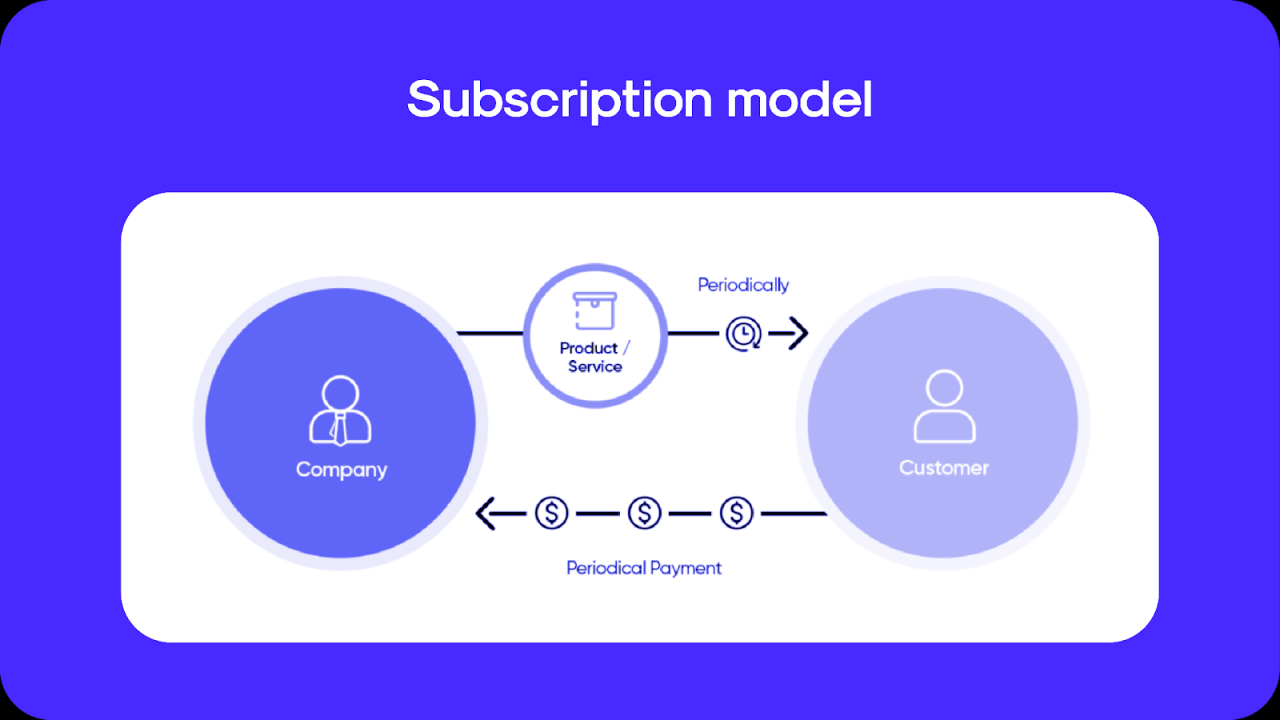
The subscription-based business model has revolutionized industries, transforming how businesses engage with customers and generate revenue. From software giants to streaming services, this recurring revenue model offers stability and predictable income streams, but requires a strategic approach to customer acquisition, retention, and pricing. Understanding the nuances of this model is crucial for success in today’s dynamic marketplace.
This guide explores the key components of a successful subscription business, encompassing various models, effective marketing strategies, ethical considerations, and securing necessary funding. We will delve into practical applications, providing examples and actionable insights to help you navigate the complexities of building and sustaining a thriving subscription-based enterprise.
Defining the Subscription-Based Business Model
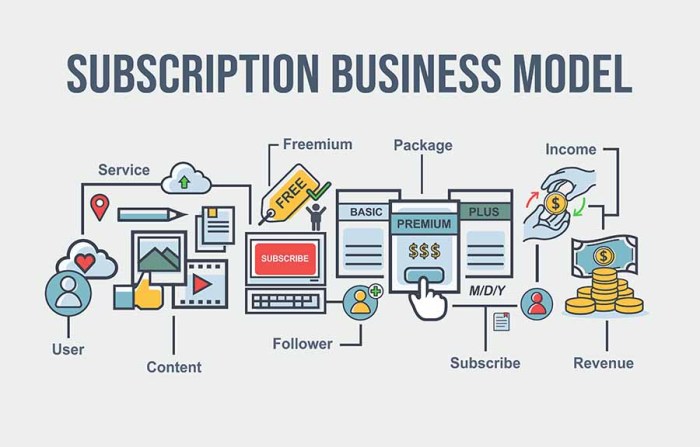
The subscription-based business model represents a significant shift from traditional transactional sales, focusing on recurring revenue streams rather than one-time purchases. This model fosters long-term customer relationships and provides predictable income for businesses, allowing for more strategic planning and investment in growth initiatives. Understanding its core components and various iterations is crucial for businesses considering this approach.The core components of a subscription-based business model revolve around providing ongoing value to customers in exchange for regular payments.
This value can manifest as access to a product, service, or a combination of both. Key elements include clearly defined subscription tiers, transparent pricing, convenient payment processing, and robust customer relationship management (CRM) to ensure customer retention. Successful implementation requires a strong understanding of customer needs and a commitment to delivering consistent value over time.
Subscription Model Types
Several distinct subscription models cater to various business needs and customer preferences. Each model offers a unique balance between access, features, and pricing. Choosing the right model depends heavily on the specific product or service offered and the target market.
- Freemium: This model offers a basic version of the product or service for free, while premium features or functionalities are available through a paid subscription. This allows for widespread user acquisition and conversion of free users into paying subscribers. Examples include popular apps like Spotify or Dropbox, where basic services are free, but expanded storage or ad-free experiences require a paid subscription.
- Premium: This model focuses on a single, high-value subscription offering a comprehensive set of features and benefits. It targets customers willing to pay a premium for enhanced quality and convenience. Examples include high-end software suites or exclusive membership clubs offering curated content and experiences.
- Tiered: This model offers multiple subscription tiers with varying levels of features and benefits at different price points. This allows customers to choose the plan that best suits their needs and budget. Many SaaS (Software as a Service) companies utilize tiered models, offering basic, professional, and enterprise plans with increasing features and user limits.
Subscription vs. Traditional Sales Models
Subscription models differ significantly from traditional sales models in several key aspects. The focus shifts from individual transactions to ongoing customer relationships and recurring revenue.
| Feature | Subscription Model | Traditional Sales Model |
|---|---|---|
| Revenue Stream | Recurring | One-time |
| Customer Relationship | Long-term | Transactional |
| Pricing | Monthly/Annual Fees | One-time Purchase Price |
| Customer Acquisition Cost (CAC) | Potentially Higher Upfront, Lower Long-Term | Higher per transaction |
| Customer Lifetime Value (CLTV) | Higher | Lower |
Hypothetical Subscription Model: Online Fitness Coaching
Consider a hypothetical subscription model for an online fitness coaching business. The business could offer three tiered subscription levels:
- Bronze ($29/month): Access to a library of workout videos, basic nutritional guidance, and a monthly check-in with a coach.
- Silver ($49/month): Includes all Bronze features, plus personalized workout plans, weekly check-ins with a coach, and access to a private online community.
- Gold ($99/month): Includes all Silver features, plus unlimited one-on-one coaching sessions, customized meal plans, and priority access to new workout content.
This tiered model caters to a broad range of customer needs and budgets, maximizing revenue potential while providing value at each level. The freemium model might offer a limited number of free workout videos to attract potential subscribers.
Customer Acquisition and Retention in Subscription Businesses
Building a successful subscription business hinges on effectively acquiring new subscribers and retaining existing ones. A strong strategy encompassing both acquisition and retention is crucial for sustainable growth and profitability. This section details key strategies for achieving both.
Key Strategies for Acquiring New Subscribers
Acquiring new subscribers requires a multifaceted approach, leveraging various marketing channels and offering compelling value propositions. A well-defined target audience and a clear understanding of their needs are fundamental to successful acquisition.
- Content Marketing: Creating high-quality, valuable content (blog posts, videos, ebooks) attracts potential customers organically and establishes the business as a thought leader in its industry. This builds trust and credibility, leading to increased conversions.
- Social Media Marketing: Active engagement on relevant social media platforms allows direct interaction with potential subscribers, fostering brand awareness and driving traffic to subscription pages. Targeted advertising campaigns can further enhance reach and engagement.
- Search Engine Optimization (): Optimizing website content and structure for search engines improves organic search rankings, leading to increased visibility and attracting potential subscribers through search results.
- Paid Advertising: Utilizing platforms like Google Ads and social media advertising enables targeted campaigns to reach specific demographics and interests, driving qualified traffic to the subscription signup process.
- Affiliate Marketing: Partnering with influencers or complementary businesses can expand reach and introduce the subscription service to a wider audience through affiliate links and promotional efforts.
Effective Customer Retention Techniques
Retaining existing subscribers is equally crucial as acquiring new ones. High churn rates can significantly impact profitability. Strategies should focus on delivering exceptional value and fostering strong customer relationships.
- Personalized Communication: Tailoring communication to individual subscriber needs and preferences strengthens engagement and loyalty. This can include personalized email campaigns, targeted offers, and customized content recommendations.
- Exceptional Customer Service: Prompt and helpful customer support builds trust and fosters positive relationships. Addressing issues quickly and efficiently minimizes frustration and increases customer satisfaction.
- Exclusive Content and Benefits: Offering subscribers exclusive content, early access to new features, or discounts on related products enhances the value proposition and encourages continued subscription.
- Community Building: Creating a sense of community among subscribers through forums, social media groups, or online events fosters engagement and loyalty. Subscribers feel more connected to the brand and each other.
- Loyalty Programs and Rewards: Implementing loyalty programs that reward long-term subscribers with discounts, exclusive perks, or early access to new features incentivizes continued subscription and reduces churn.
Successful Customer Onboarding Processes
A smooth and effective onboarding process is crucial for setting the stage for a positive subscriber experience. It should guide new subscribers through the key features and benefits of the service.
A well-designed onboarding process might include a welcome email series, interactive tutorials, or personalized guidance from a dedicated support team. For example, a SaaS company might offer a series of video tutorials showcasing the software’s key features, while a subscription box service might include a welcome package with detailed information about the products and brand story. The goal is to quickly demonstrate value and empower subscribers to utilize the service effectively.
Marketing Plan Focusing on Subscriber Acquisition and Retention
A comprehensive marketing plan should integrate acquisition and retention strategies. It should define clear goals, target audiences, key performance indicators (KPIs), and a budget allocation for various marketing activities.
For instance, a hypothetical marketing plan for a fitness app subscription might allocate 40% of the budget to paid advertising targeting health-conscious individuals on social media and search engines. Another 30% would be dedicated to content marketing, creating blog posts and videos about fitness tips and healthy recipes. The remaining 30% would focus on customer retention efforts such as personalized email campaigns, exclusive workout challenges for subscribers, and a vibrant online community forum.
The Role of Business Development in Subscription Businesses
Business development plays a crucial role in the sustained growth and profitability of subscription-based businesses. Unlike one-time sales models, subscription businesses rely on consistent customer acquisition and retention to thrive. Business development strategies directly impact these key areas, driving revenue and expanding market reach. It’s the engine that fuels long-term success.Business development contributes to the growth of a subscription business by actively seeking and securing new revenue streams, expanding the customer base, and enhancing the overall value proposition.
This involves a multifaceted approach that encompasses market research, strategic partnerships, product development, and sales expansion. A strong business development function ensures the subscription model remains competitive and adaptable to changing market demands.
Identifying and Pursuing New Business Opportunities
Identifying and pursuing new opportunities requires a systematic approach. This begins with a thorough market analysis to pinpoint underserved segments or unmet needs within the target market. Next, potential partnerships are explored, considering companies whose products or services complement the existing subscription offering. This could involve collaborations for cross-promotion or bundled services. Finally, the business assesses its internal capabilities and resources to determine which opportunities are feasible and align with the overall business strategy.
This process involves continuous monitoring of market trends and competitor activities, allowing for proactive adaptation.
Examples of Successful Business Development Strategies
Several successful subscription businesses have leveraged various strategies. For example, Netflix’s expansion into international markets and its consistent investment in original content represent a successful strategy of market penetration and product diversification. Similarly, Adobe’s transition to a subscription model for its Creative Suite dramatically altered the industry landscape, demonstrating the power of shifting to a recurring revenue model.
These strategies showcase the importance of both geographic expansion and product innovation within a subscription business model. Another example is Spotify’s use of strategic partnerships with mobile carriers and device manufacturers to increase its user base and integrate its service seamlessly into the user experience.
Business Development Plan for a New Subscription-Based Venture
Let’s consider a hypothetical new subscription-based venture: a curated monthly box service for artisanal coffee. The business development plan would encompass the following key elements:* Market Analysis: Identify target demographics (e.g., coffee aficionados, young professionals) and their preferences. Research competitor offerings and identify gaps in the market (e.g., focus on a specific coffee region or brewing method).
Value Proposition
Clearly define the unique selling proposition (USP) – what makes this coffee box different? (e.g., ethically sourced beans, unique roasting profiles, exclusive access to small-batch roasters).
Acquisition Strategy
Develop a multi-channel acquisition plan including social media marketing, influencer collaborations, and potential partnerships with local cafes.
Retention Strategy
Implement a loyalty program, personalized communication, and opportunities for customer feedback to enhance retention.
Partnership Development
Explore collaborations with coffee farms, roasters, and related businesses (e.g., coffee equipment suppliers) for cross-promotion and bundled offers.
Financial Projections
Develop realistic financial projections based on anticipated subscriber growth, churn rate, and customer lifetime value (CLTV). This will inform pricing strategy and investment needs.This detailed plan, constantly reviewed and adapted, forms the foundation for the sustainable growth of this new subscription-based coffee venture.
Ethical Considerations in Subscription Businesses
Building and maintaining a successful subscription business requires more than just a compelling product and effective marketing. Ethical considerations are paramount, impacting not only customer loyalty and brand reputation but also the long-term viability of the enterprise. Ignoring these ethical aspects can lead to significant reputational damage and legal repercussions.Pricing Transparency and Value Delivery are crucial elements of ethical conduct in subscription businesses.
Customers need to understand clearly what they are paying for and receive the promised value. Hidden fees, misleading advertising, or a failure to deliver on service promises erode trust and damage the customer relationship.
Pricing Transparency and Value Delivery
Maintaining transparency in pricing is vital for building trust. Subscription businesses should clearly Artikel all costs associated with the service, including any recurring fees, additional charges, or renewal terms. This includes avoiding confusing pricing structures or burying important details in lengthy terms and conditions. Furthermore, the value proposition must be clearly articulated and consistently delivered. If a service promises specific features or benefits, it must reliably provide them.
For example, a streaming service promising access to a vast library of movies should ensure that library is regularly updated and easily accessible. A fitness app offering personalized workout plans should deliver on that promise with well-designed and regularly updated plans, not just a generic collection of exercises. Failure to deliver on the value proposition damages trust and can lead to cancellations.
Data Privacy and Security in Subscription Services
The collection and use of customer data are inherent in many subscription models. Ethical subscription businesses prioritize data privacy and security, adhering to relevant regulations like GDPR and CCPA. This includes obtaining explicit consent for data collection, ensuring data is securely stored and protected against unauthorized access, and providing users with clear and accessible information about how their data is used.
Transparency regarding data usage policies is crucial. Customers should be informed about what data is collected, why it is collected, and how it will be used. Regular security audits and updates to security protocols are essential to minimize the risk of data breaches. For example, a music streaming service should have robust security measures in place to protect user account information and listening history from unauthorized access or theft.
A failure to protect user data can result in severe legal and reputational consequences.
Ethical Dilemmas and Proposed Solutions
Subscription businesses may face ethical dilemmas regarding data usage, pricing changes, and customer service. One common dilemma involves using customer data for targeted advertising or selling data to third parties without explicit consent. The solution is to prioritize user consent and transparency. Another dilemma involves unexpectedly increasing prices or reducing service levels without sufficient notice. The solution is to communicate changes clearly and well in advance, offering customers the opportunity to cancel their subscriptions without penalty.
Poor customer service, including long wait times or unhelpful responses, can also be an ethical issue. Investing in customer support resources and training staff to provide prompt and effective service is crucial. For instance, a software-as-a-service (SaaS) company might face the dilemma of balancing the need to monetize features with providing sufficient free access for users to experience the value of the service.
A solution could involve a tiered pricing model that offers increasing functionality at higher price points.
Ethical Practices and Customer Loyalty
Ethical practices are not just about avoiding negative consequences; they are key to building customer loyalty and enhancing brand reputation. Transparency, fairness, and respect for customer privacy build trust, which is essential for long-term customer relationships. Customers are more likely to remain loyal to businesses they perceive as ethical and trustworthy. Positive word-of-mouth referrals and strong brand advocacy are natural outcomes of ethical business practices.
A strong ethical foundation contributes to a positive brand image, attracting new customers and improving customer retention rates. For example, a company known for its commitment to data privacy and excellent customer service is more likely to attract and retain customers compared to a company with a history of data breaches or poor customer support.
Securing Funding for Subscription Businesses (Business Loans)
Securing funding is a crucial step for any subscription business, particularly in the early stages of growth. The right funding can fuel expansion, enhance customer acquisition efforts, and ultimately contribute to long-term success. However, navigating the various funding options available requires careful consideration of their respective advantages and disadvantages. This section explores different funding avenues, focusing on business loans and their suitability for subscription-based models.Funding options for subscription businesses vary considerably, each with its own set of benefits and drawbacks.
Choosing the right source depends heavily on factors such as the business stage, revenue projections, and risk tolerance. While venture capital is a popular choice for high-growth potential, business loans offer a more traditional and often less dilutive approach.
Business Loans as a Funding Source
Business loans provide a straightforward method for securing capital. They involve borrowing a specific amount of money from a lender, typically a bank or credit union, which must be repaid over a predetermined period with interest. This approach offers predictability in terms of repayment schedules and avoids equity dilution, a significant advantage compared to venture capital. However, securing a business loan can be challenging, particularly for startups, requiring a robust business plan and a strong credit history.
Lenders assess the risk involved and will scrutinize financial projections to determine the likelihood of loan repayment.
Advantages and Disadvantages of Business Loans
The advantages of business loans include the predictable repayment structure, the absence of equity dilution, and the potential for lower interest rates compared to other financing options. However, securing a loan can be a lengthy process, involving significant paperwork and potentially stringent eligibility criteria. Furthermore, the loan amount might be limited based on the lender’s assessment of the business’s financial health and creditworthiness.
Additionally, failing to meet repayment obligations can have severe consequences, including damage to the business’s credit rating.
Examples of Successful Funding Rounds for Subscription Businesses
While specific details of funding rounds are often kept confidential, several publicly traded subscription businesses have demonstrated the effectiveness of securing loans. For example, companies like Spotify, initially funded through a combination of venture capital and debt financing, have successfully leveraged loans to support their global expansion and product development. Their ability to demonstrate consistent revenue growth and strong subscriber acquisition was crucial in securing favorable loan terms.
Similarly, many smaller, successful subscription businesses in the SaaS (Software as a Service) sector have utilized lines of credit or term loans to manage cash flow and fund marketing initiatives. These successes highlight the potential for subscription businesses to attract funding through traditional lending channels.
Designing a Compelling Business Plan to Secure a Business Loan
A compelling business plan is paramount to securing a business loan. It should articulate a clear understanding of the market, the target audience, the subscription model’s pricing strategy, and the projected financial performance. The plan needs to convincingly demonstrate the business’s ability to generate sufficient revenue to cover loan repayments and interest. Key components of a successful business plan for loan applications include:
- Executive Summary: A concise overview of the business, its goals, and the funding request.
- Company Description: A detailed description of the business, its products or services, and its competitive advantage.
- Market Analysis: A comprehensive analysis of the target market, including market size, growth potential, and competitive landscape.
- Subscription Model: A clear explanation of the subscription model, including pricing tiers, features, and customer acquisition strategies.
- Financial Projections: Detailed financial projections, including revenue forecasts, expense budgets, and cash flow statements, demonstrating the ability to repay the loan.
- Management Team: Information about the management team’s experience and expertise.
- Appendix: Supporting documents, such as market research data, resumes of key personnel, and letters of support.
A well-structured and meticulously researched business plan, supported by realistic financial projections, significantly increases the chances of securing a business loan. This showcases not only the potential of the subscription model but also the management team’s understanding of the financial implications and their commitment to repayment.
Business Travel and its Impact on Subscription Businesses
Business travel plays a multifaceted role in subscription-based businesses, impacting both client relationships and the company’s bottom line. While it can be a significant expense, strategically managed travel can be crucial for building trust, fostering collaboration, and ultimately driving subscriber retention and acquisition. Understanding the nuances of business travel within this model is key to achieving sustainable growth.The Role of Business Travel in Cultivating Subscriber RelationshipsBusiness travel offers unparalleled opportunities to strengthen relationships with subscribers.
Face-to-face interactions foster deeper connections, allowing for personalized communication, addressing specific concerns, and building rapport that transcends digital communication. These in-person meetings can be particularly crucial for high-value subscribers or those requiring specialized support. Moreover, attending industry events and conferences provides opportunities for networking and lead generation, expanding the subscriber base. The personal touch offered by business travel often translates to higher customer satisfaction and loyalty.
Cost Implications of Business Travel for Subscription Businesses
The costs associated with business travel can be substantial, encompassing airfare, accommodation, ground transportation, meals, and incidentals. These expenses can significantly impact a subscription business’s profitability, especially for smaller companies with limited budgets. Furthermore, the time commitment involved in travel – including preparation, travel time itself, and post-travel administrative tasks – represents an opportunity cost, diverting resources away from other essential business activities.
Careful planning and budgeting are essential to manage these costs effectively.
Strategies for Minimizing Travel Costs While Maintaining Strong Client Relationships
Subscription businesses can implement various strategies to minimize travel expenses without sacrificing the benefits of in-person interaction. One effective approach is to prioritize virtual meetings and communication whenever feasible. For instance, initial onboarding or routine check-ins can often be conducted effectively through video conferencing. Another strategy involves consolidating travel, scheduling multiple meetings in a single location to reduce the number of trips.
Leveraging technology, such as virtual reality or augmented reality for demonstrations or training, can also significantly reduce the need for travel. Finally, negotiating favorable rates with airlines and hotels through corporate accounts can yield considerable savings.
Strategies for Optimizing Business Travel Within a Subscription Model
Effective management of business travel requires a proactive approach. Here are several key strategies:
- Prioritize high-value clients: Focus travel resources on subscribers who contribute significantly to revenue or present critical business opportunities.
- Utilize technology for remote communication: Maximize the use of video conferencing, online collaboration tools, and other technologies to reduce the need for in-person meetings.
- Consolidate trips: Plan multiple meetings in a single location to minimize travel frequency and associated costs.
- Negotiate favorable rates: Secure discounted rates with airlines, hotels, and other travel providers through corporate accounts or partnerships.
- Develop a clear travel policy: Establish guidelines for travel approvals, expense reimbursements, and preferred vendors to maintain control and consistency.
- Track and analyze travel expenses: Regularly monitor spending patterns to identify areas for improvement and optimize future travel budgets.
Successfully navigating the subscription-based business model requires a holistic understanding of customer needs, market dynamics, and ethical considerations. By implementing effective acquisition and retention strategies, employing strategic pricing models, and fostering strong customer relationships, businesses can unlock the considerable potential of this powerful revenue model. Remember, continuous adaptation and innovation are key to thriving in this ever-evolving landscape.
FAQ Resource
What are the biggest challenges in a subscription business?
Churn rate (customers canceling subscriptions) and acquiring new subscribers are major challenges. Balancing customer acquisition cost with lifetime value is also crucial.
How do I choose the right subscription pricing model?
Consider your target audience, value proposition, competitor pricing, and cost structure. Experimentation and data analysis are essential for optimization.
What is the role of customer service in a subscription business?
Exceptional customer service is paramount for retention. Proactive support, addressing issues promptly, and personalized communication build loyalty.
How can I reduce churn in my subscription business?
Focus on providing exceptional value, personalized communication, engaging content, and easy-to-use platforms. Proactive outreach and addressing customer concerns are vital.


